

anxious, low, sad, angry or worse?
quick assumptions about what is or isn't responsible for a new or worsening mental health condition in (early) midlife have grave consequences, I should know...

My first memoir opens in 2019 when I started out-patient psychotherapy to address cPTSD1 that had its origins in childhood. I was 37.
When I started work on that manuscript in 2021, it felt only right that the narrative open with the catastrophic house fire after which my mum was sectioned under the Mental Health Act2 for the first time. I was five when this happened and as the first significant, unresolved, trauma I experienced, it felt right enough to start there. It would take some more years before I’d come to understand that racking up the ACEs3 was only one part of what would grow into a complex story about breaking the cycle of intergenerational maternal trauma.
A few weeks ago there was another fire, this time at the sawmill — Auchengate — where a great deal of the memoir takes place. It was similarly catastrophic and has led to the business — founded in the 1930s by my great-grandfather pictured below — having to close for good. It is the end of an era, impacting my family in myriad ways. I have always had a complicated relationship with that second childhood home, which is forever tied to my experience of caring for my mum who has bipolar disorder. Perhaps now that my own mental health has improved and the caring I have capacity to offer her looks very different, bookending a memoir with two fires would be symbolic of something.
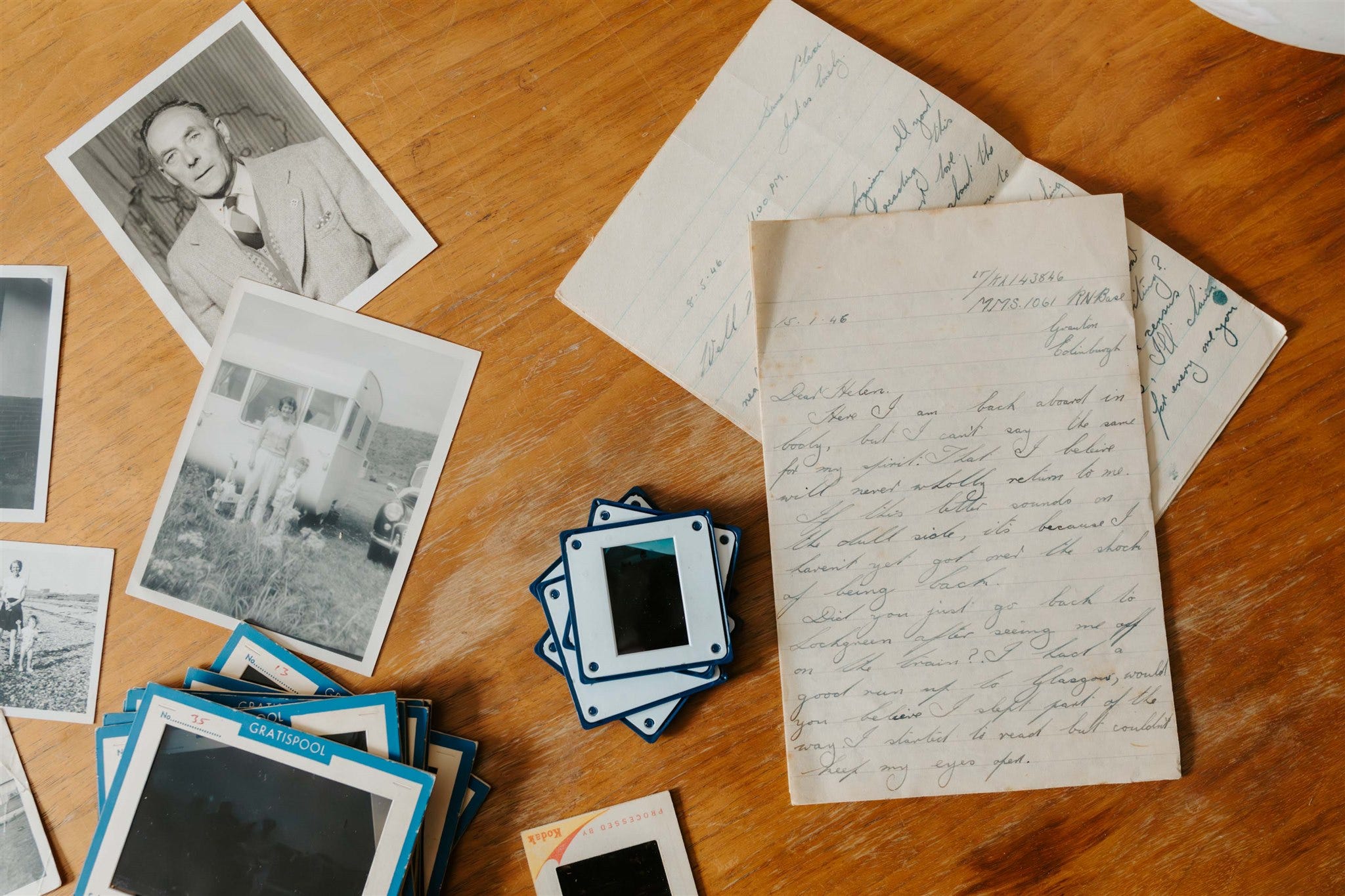
Before the fire happened, preparations were being made for my mum to leave the house so that it could be completely rewired. Another possible ending, since the house fire at Christmas 1988 had been caused by an electrical fault. I wish sometimes that I didn’t see my life as a life writer sees it but we are where we are and parallels are all over the place. Anyway, I digress.
Held in Mind: A Memoir

What are the consequences of allowing yourself to be held in mind while you try to hold on to the ones you love?
All of this to say that the facts of our lives might not alter but the lens through which we view what happened inevitably shifts as life continues to happen to us. Take my grandmother, Helen, who I recall as fragile, flighty. Others would say — diplomatically? — she could be a difficult woman. I’d long known about her struggles with addiction and mental ill health, and then came to appreciate some of the reasons why when I learned her father died when she was 11 and she was sent to work in service far from home at 14 just before her life was upended by WW2. Later, she lost at least two children in infancy and there were hints of other pregnancy losses, too. In writing my memoir, I had put much of her struggles down to these various, complex, unresolved traumas, which served to link us across the generations. What if, though, there was something else happening for both of us? What if the real story wasn’t (only) a trauma story?
My gran was 37 when she gave birth to my mum and my mum’s identical twin, not knowing she had been carrying twins. The story goes they were born at “6 months” which — given the challenges of accurately dating a pregnancy in the late 1950s — means they were due in May and born in February. My mum weighed 1lb 12oz and Martha 2lb 2oz. Their treatment would be reported in the British Medical Journal as they were the smallest babies ever to receive full blood transfusions.
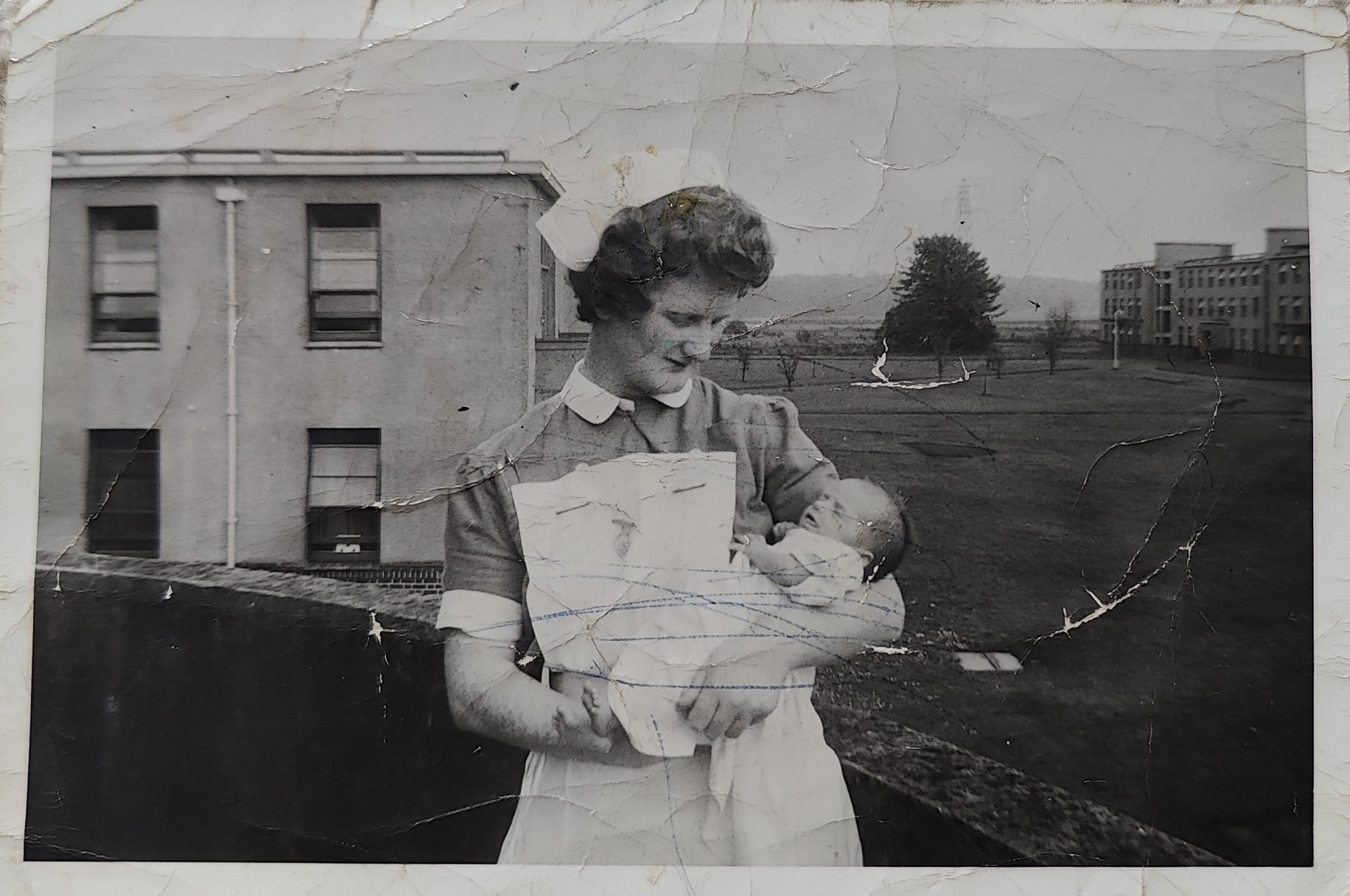
However, what the BMJ did not report was that Martha died of an infection a few days afterwards. This was the second infant death my gran had experienced. Her second-born son, Leslie, died from pneumonia aged one in 1950. The family business had struggled to get back on its feet in the post-war era, and so there was little opportunity to grieve.
After my mum and Martha were born, my gran never had another period. They just stopped. She passed through a hard menopause at 37, which tracks with what we now understand about the correlation between ACEs / adolescent trauma and the increased risk of premature perimenopause (or its Sunday name, Primary Ovarian Insufficiency) not to mention the likelihood of experiencing more severe symptoms4. She had already struggled with alcohol dependency for a number of years (another risk factor), but it was from this point onwards that her addiction took its grip and her mental health really deteriorated. I understand that deterioration and the draw to self-medicate since it was also happening to me throughout my late 30s and it never crossed the minds of the health professionals I saw, let alone my own, that something other than early life trauma could be responsible for the resurgence in my debilitating health anxiety and a return of almost-daily panic attacks. It wouldn’t be until I was 41 that doctors would eventually allow me to try HRT which saved my sanity, my liver and much else besides.
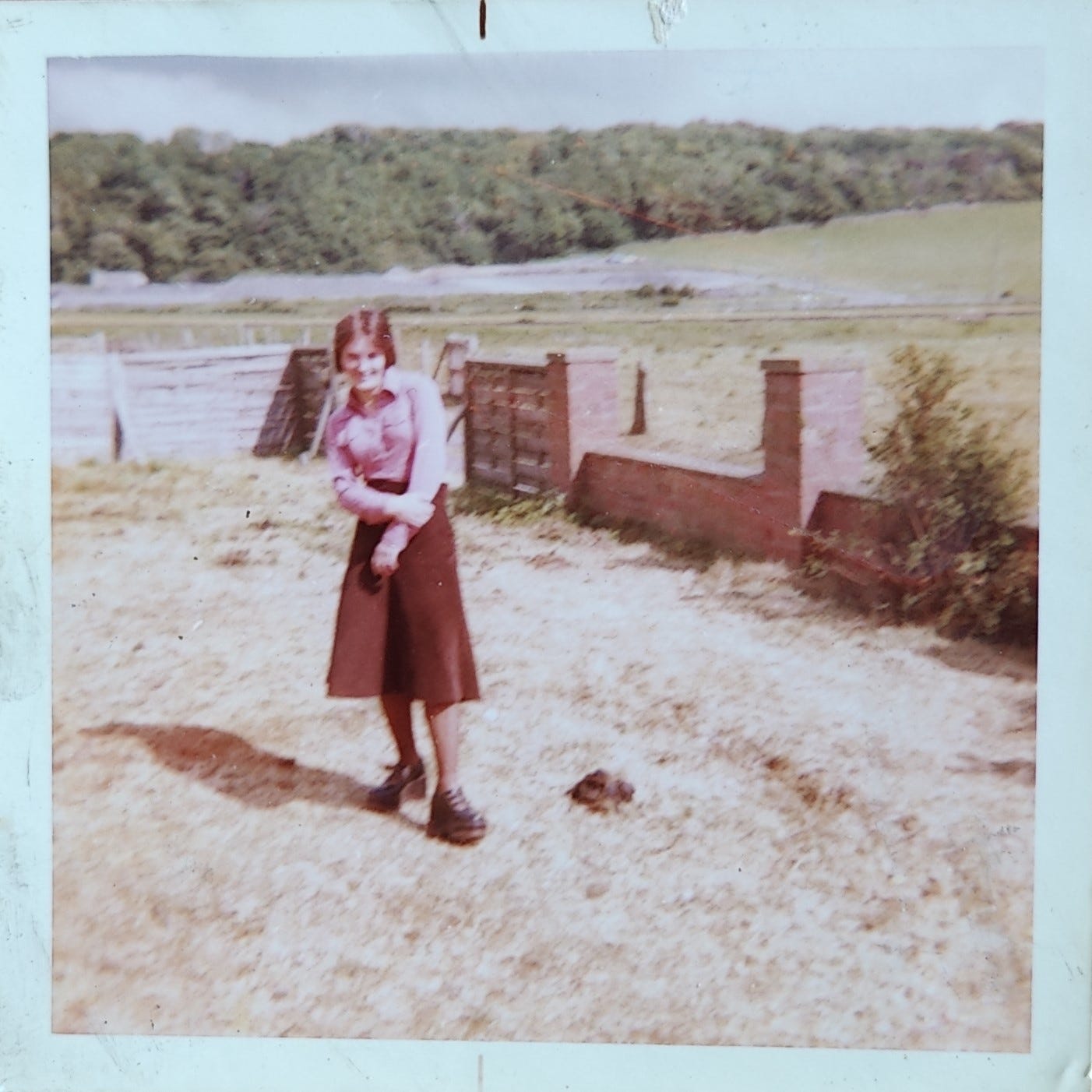
How different things would have been if my grandmother and other women of her generation had access to appropriate and timely treatment, whether that be therapy, medication or hormones or a combination of all three. Modern medicine would take some time to catch up, of course, and there’s nothing that could realistically have been done in the 50s or 60s to help her given the stigma and shame that surrounded menopause even when you were facing it at the expected age.
This is not to say that a 2026 version of a similar story is guaranteed a happy ending, either, sadly. Still, far too many women a few years either side of 40 are presenting at their GP with new, worsening or resurging symptoms of anxiety, depression, low mood, mood swings or another mental health concern and being told to meditate, to breathe or get outside because even if they query whether it might be hormone related, they’re too often deemed “too young” to be anywhere near menopausal age. This is not only an unhelpful, outdated view but an unsafe one.
Women who experience oestrogen depletion prematurely (before or around 40) and don’t have that addressed (yes, with HRT if they are medically able to take it) are at a significantly increased risk of worsening mental heath, not to mention osteoporosis, type 2 diabetes, dementia and cardiovascular problems including heart disease.5 The Guardian reported earlier this year that three quarters of women in the UK do not know that perimenopause (at any age) can trigger a new mental illness, never mind exacerbate an existing one. To attempt to address this, The Royal College of Psychiatrists has released a position statement about the link between perimenopause and mental health, but yet more is clearly needed. There are grave consequences in not understanding or looking for this link. For example, perimenopausal women are more than twice as likely to develop bipolar disorder and 30% more likely to develop clinical depression, while hormonal and physical changes associated with menopause may lead to the relapse or trigger the development of eating disorders. Suicide rates are also higher among women of menopausal age.
Dr Cath Durkin, a joint presidential lead for women and mental health at the RCPsych, says of this:
“For women with or at risk of bipolar disorder, perimenopause may represent a period of particular clinical danger that has historically gone unrecognised.”
It’s terrifying. And I should know. Despite my mother’s hormone levels being checked throughout her 30s, 40s and 50s, no one ever put her worsening bipolar disorder down to perimenopause because her results always returned, in that way they do, within the “normal” range. In 2026, any health professional worth their salt will not make a diagnosis of perimenopause or make a recommendation for HRT based on bloodwork. It is a symptom-first diagnosis. Unfortunately for my mum, her perimenopause occurred during the anti-HRT era6, and therefore it was never offered. Instead, she was hospitalised repeatedly; received yet more ECT; had her lithium dose increased; was taken on and off a mind-boggling number of other mood stabilisers and SSRIs and was never offered talking therapy. At 55, by which time so much irreversible damage to her mental and physical health had occurred, she was given HRT but it was too late to effect much in the way of change. I’m not saying that HRT would have been some sort of miracle cure for her bipolar disorder, but oestrogen is most effective in younger women whose bodies are more receptive to the benefits, so there’s a good chance that if she had been on it earlier, she might have been spared some of the pain the past few decades have inflicted.
It’s shameful that a recent survey revealed that in the US, only 7% of medical residents said they felt “adequately prepared” to manage symptoms in menopausal women7, while in the UK, an FOI request in 2021 by the charity Menopause Matters revealed that over a third of UK medical schools did not have mandatory menopause teaching on the curriculum8, a position that was only revised in 2024 to ensure that every medical student is assessed in their knowledge of women’s health, including menopause9. What this means is that you cannot take it for granted that the GP you tell about your experience of anxiety, panic, low mood or depression will recognise this as a symptom of perimenopause, and you’re at an even greater risk of falling through the net if you’re younger.
What can you do about it?
Firstly, if you can find out what age your close female relations entered perimenopause, great. I have women on both sides of the family who were in the same category as me and it does have a tendency to run in families.
If you are a woman or AFAB person of any age, don’t assume that asking to see a female GP means they’ll automatically know about perimenopause and menopause, let alone the mental health impacts
So: ask to speak with the GP at your practice who is best qualified on perimenopause and menopause.
Request a three-month trial of HRT if you would like to see if it has an impact on your mood and/or other symptoms including vaginal changes, period changes, hot flushes / night sweats. There is robust clinical evidence, published on the results of multiple, longitudinal studies, that a three-month trial of HRT carries very little chance of elevating your risk of breast cancer, if that is your concern. Research indicates that for women under 52, with no previous history of hormone-receptive breast cancer, the benefits tend to outweigh the risks10 even when taken over a period of years.
Ask for a second opinion if you are not satisfied.
You may wish to pursue therapy and/or medication too, of course, because HRT is not a panacea. There are also many lifestyle and diet changes that will ease your passage through this life stage that you can read about in some of the posts from the archive…


https://www.mind.org.uk/information-support/types-of-mental-health-problems/post-traumatic-stress-disorder-ptsd/complex-ptsd/
https://www.legislation.gov.uk/ukpga/1983/20/contents
https://www.liverpoolcamhs.com/aces/what-are-adverse-childhood-experiences/
https://newsnetwork.mayoclinic.org/discussion/researchers-find-link-between-childhood-trauma-recent-abuse-and-more-severe-menopause-symptoms/
https://thebms.org.uk/wp-content/uploads/2024/04/05-BMS-ConsensusStatement-Premature-ovarian-insufficiency-POI-APRIL2024-C.pdf
https://pmc.ncbi.nlm.nih.gov/articles/PMC5415400/
https://www.mayoclinicproceedings.org/article/S0025-6196(18)30701-8/abstract
https://menopausesupport.co.uk/?p=14434
https://committees.parliament.uk/publications/33631/documents/183795/default/
https://www.nhs.uk/medicines/hormone-replacement-therapy-hrt/benefits-and-risks-of-hormone-replacement-therapy-hrt
Such an insightful article thank you Lindsay. Has really made me think...
I appreciate these posts so much Lindsay - I personally don’t know how much HRT is helping the precarious state of my own mental health these days, but at least feel that my current doctor is not dismissive about how much of an impact these symptoms can have on your life and that of everyone around you. I was completely unprepared for the impact perimenopause would have on my brain.